

Date and Time
Saturday Mar 14, 2026
12:00 PM - 2:30 PM EDT
Saturday, March 14, 2026, from noon to 2:30 p.m., Weather permitting
if it rains, the event moves to April 4, 2026
Location
Join us at Van Rensselaer Point, 22 Albany Ave., Ogdensburg, New York.
Fees/Admission
. Admission is free and everyone is welcome. For more information, visit www.fort1749.org.
Website
Contact Information
Dallas Robinson dr181353@yahoo.com
Send Email
Description
As Maple Season returns to the North Country*, it's interesting to look back at traditional methods of making maple syrup and sugar. Before modern technology like vacuum systems and gas-fired boiling pans, sap was hauled to sugar houses by horse or oxen. In the 18th century, white cane sugar was an expensive treat and played a small role in French-Canadian diets—people ate less than two pounds per year, compared to today's average American consumption of about 152 pounds annually!
When Europeans first met Indigenous peoples in North America during the 17th century, they learned that maple sugar was an everyday food for Native communities throughout Northeast North America. These communities had been producing syrup and sugar from maple sap using boiling and freezing techniques for generations. Maple sugar also held social significance—it was exchanged as gifts to strengthen political and economic ties among Indigenous nations, and provided a quick energy boost for warriors and travelers navigating the St. Lawrence River Valley.
In early spring, nearly all of the 2,000-plus Iroquois living near Fort de la Présentation contributed to annual maple sugar making. French Canadians later adopted these traditions from their Native neighbors. Even after New France became British territory in 1760, maple sugar remained a vital part of local customs and continues to shape North Country identity.
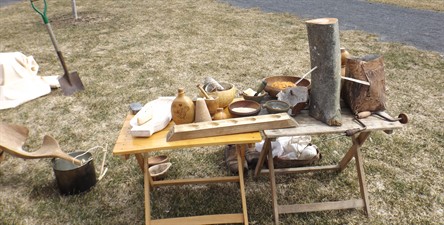
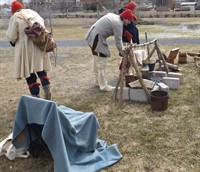
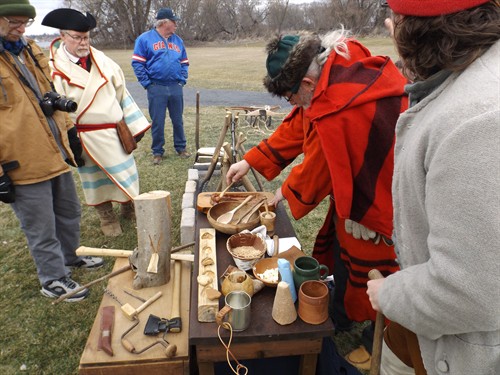
You’re invited to Van Rensselaer Point at the Fort de La Présentation site to discover the history and heritage of maple sugar production in the North Country. Watch living historians reenact the process used in the 18th century—transforming maple sap into sugar just as it was done long ago! Families love this event, which gives visitors of all ages the chance to try their hand at sugar-making.

